
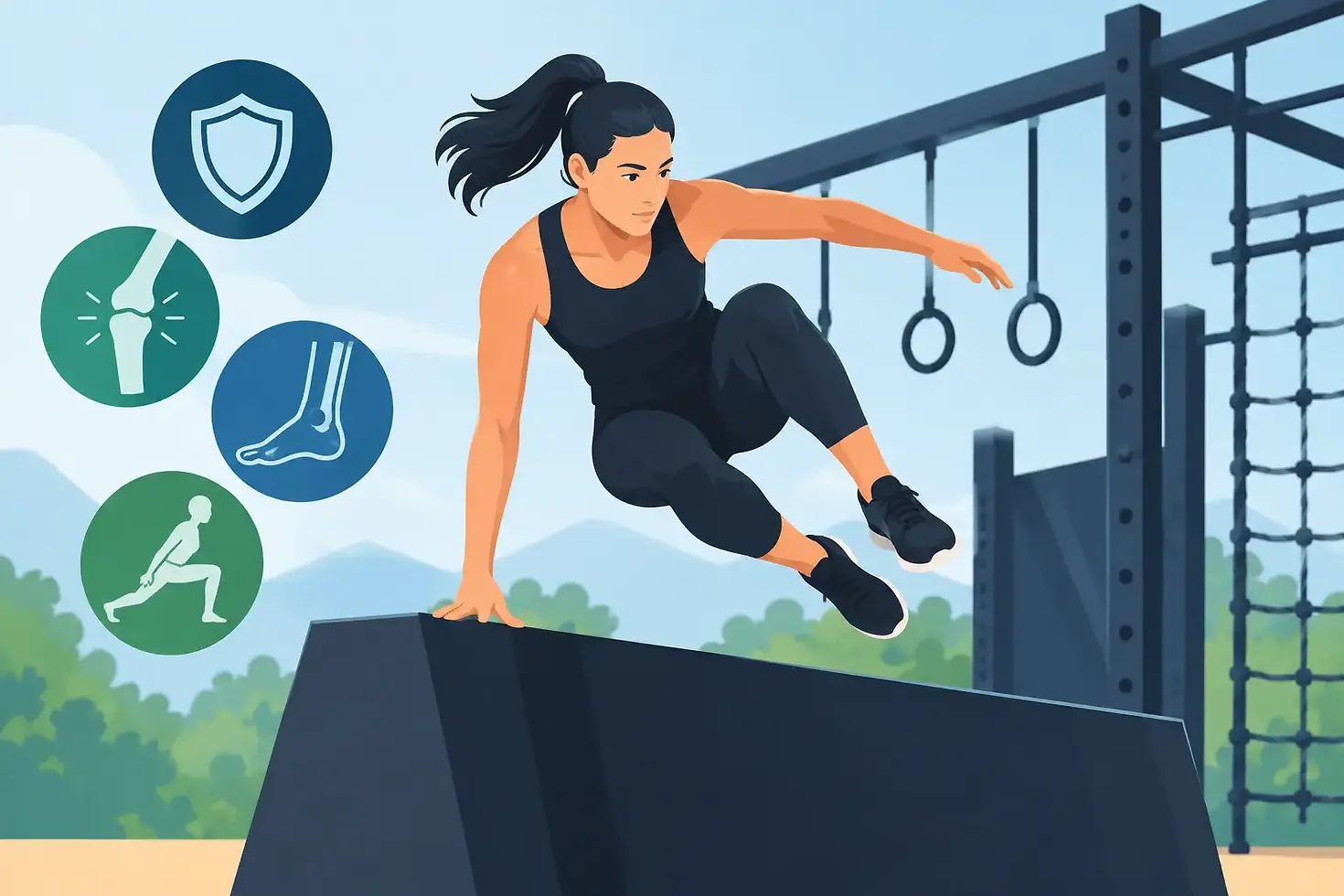
Obstacle Injury Prevention for Ninja Training
A missed grab, a shaky landing, or one more attempt when your hands are already tired can turn an awesome training day into an avoidable setback. Obstacle injury prevention is not about making Ninja training less exciting. It is what lets kids, teens, and adults take on bigger challenges with more confidence, better movement, and a lot more fun.
At an obstacle gym, every challenge asks your body to solve a problem. You jump, swing, climb, balance, crawl, and react. That is why smart preparation matters. The goal is not to avoid hard things. The goal is to build the strength, control, and judgment to attack hard things safely.
Start With Skill, Not Speed
The fastest way to get hurt on an obstacle is trying to perform a skill your body has not learned yet. A high lache, warped wall, pegboard, or ring transfer can look simple when an experienced athlete does it. The movement behind it is not simple. It demands grip strength, shoulder control, timing, body awareness, and a safe way to exit if the attempt does not work.
Progressions turn a big skill into manageable wins. Before swinging between higher obstacles, an athlete may need to practice hanging, controlled swings, landing from a low height, and releasing onto a padded surface. Before charging a wall, they should learn foot placement, a powerful knee drive, and how to come down under control.
This approach matters for every age. Younger Ninjas often have the courage to try anything before they have the coordination to manage it. Adults may have strength but need time to rebuild mobility, landing mechanics, or grip endurance. Neither situation is a reason to sit out. It is a reason to choose the right version of the obstacle.
Obstacle Injury Prevention Begins Before the First Attempt
A good warm-up should prepare the movements you are about to use, not just fill a few minutes. Light movement raises body temperature, but obstacle training also calls for active shoulders, steady wrists, mobile hips, and ankles that can absorb a landing.
Start with easy movement such as jogging, skipping, or controlled footwork. Then wake up the joints that take the biggest load. Arm circles, scapular pulls, wrist circles, bodyweight squats, lunges, and small hops can all help when done with control. The point is to feel more ready, not more tired.
For children, a warm-up can feel like a game: bear crawls, crab walks, balance challenges, and low-speed jumps. For adults, it may include extra shoulder and hip preparation, especially after a day at a desk or a long break from training. If a joint feels sharp pain, unstable, or unusually restricted, that is useful information. Do not try to out-tough it on the first obstacle.
Check the Landing Before You Take Off
Most obstacle attempts end with a landing, whether you clear the obstacle or fall safely onto padding. Strong landings are a major part of injury prevention.
Land with knees and hips bending together, feet generally under your body, and your chest controlled rather than collapsing forward. Aim to land quietly. A loud, stiff landing often means your body is not absorbing force efficiently. On bigger drops, coaches may teach rolling or other controlled exits based on the setup and athlete's experience.
Do not jump down from equipment just because it feels faster. Use the intended exit, follow facility rules, and ask for guidance when you are unsure. A successful obstacle run is not only about reaching the top. It is also about getting back to the floor safely.
Respect Grip Fatigue and Shoulder Fatigue
Grip is one of the first things to disappear during Ninja training. When hands are tired, athletes compensate by swinging wildly, overreaching, or catching with poor shoulder position. That is when an easy obstacle can suddenly become unpredictable.
Pay attention to the quality of your movement. If you cannot hold a bar with control, keep your shoulders active, or release safely, take a break. Shaking out your hands, drinking water, and trying again after recovery is not quitting. It is smart training.
Shoulders deserve the same respect. Swinging obstacles ask a lot from the muscles that stabilize the shoulder joint. Build volume gradually, especially if you are new to obstacles, returning after time off, or adding harder grips. A few high-quality attempts are more valuable than repeated sloppy ones.
This is where coached training makes a difference. At Go Ninja, athletes can learn how to choose an appropriate obstacle variation rather than guessing based on what looks impressive. The best challenge is the one that pushes you while still allowing you to practice good movement.
Use the Facility the Way It Was Designed
Obstacle courses are built for action, but they are not free-for-alls. Spacing, direction of travel, designated landing areas, and waiting your turn all protect everyone in the gym.
Before starting an obstacle, look for another athlete's path. Do not step into a landing zone or stand below someone on an elevated challenge. Let the athlete ahead clear the obstacle before you begin unless a coach directs otherwise. Keep water bottles, bags, and loose items out of training areas so nobody trips during a run.
Parents can help by reminding kids that excitement does not replace awareness. Racing friends can be fun, but it changes decision-making. If a child starts rushing technique to win, scale the challenge back or make the goal about clean movement instead of speed.
Know the Difference Between Challenge and Pain
Ninja training is supposed to feel challenging. Muscles may burn, your breathing may get heavy, and a new obstacle can make your heart race. Those are normal parts of working hard.
Pain is different. Sharp pain, a pop, swelling, numbness, dizziness, pain that changes the way you move, or discomfort that grows with each attempt are reasons to stop and tell a coach or parent. Continuing through those signals can turn a small issue into a longer break from the sport.
It also depends on the athlete. A beginner with tired forearms may simply need rest. Someone recovering from a wrist, knee, or shoulder injury may need medical clearance and a personalized return plan. No obstacle is worth rushing that process.
Build a Stronger Ninja Between Obstacle Runs
The best obstacle injury prevention plan does not only happen on the course. Basic strength and movement work make every obstacle more manageable. Squats and lunges help build stronger landings. Hanging and pulling progressions support grip and upper-body endurance. Core exercises help athletes control swings, climbs, and awkward positions. Balance practice improves foot placement when the obstacle gets narrow, uneven, or fast.
You do not need to train like a professional athlete to benefit. Consistency beats extreme workouts. Two or three focused sessions each week, paired with good sleep, hydration, and recovery, can make a noticeable difference in how prepared your body feels.
For kids, keep the focus on movement quality and confidence rather than heavy loading. For teens and adults, resistance training can be a valuable addition when it is taught properly. The right plan depends on age, experience, goals, and any past injuries.
A Quick Safety Routine for Every Visit
Before an open gym session or class, take a minute to set yourself up for a great day. Warm up until your body feels ready. Pick an obstacle that matches your current ability. Watch the landing and exit. Ask a coach if you do not understand a technique. Then stop before fatigue turns clean movement into risky movement.
That routine is simple, but it changes the whole experience. You can train hard, laugh at the missed attempts, celebrate the breakthroughs, and come back ready to improve again.
The real Ninja mindset is not proving you will try anything once. It is building the discipline to train smart enough to overcome the next obstacle too.


Comments