

Kids Ninja Classes Quartz Hill Families Love
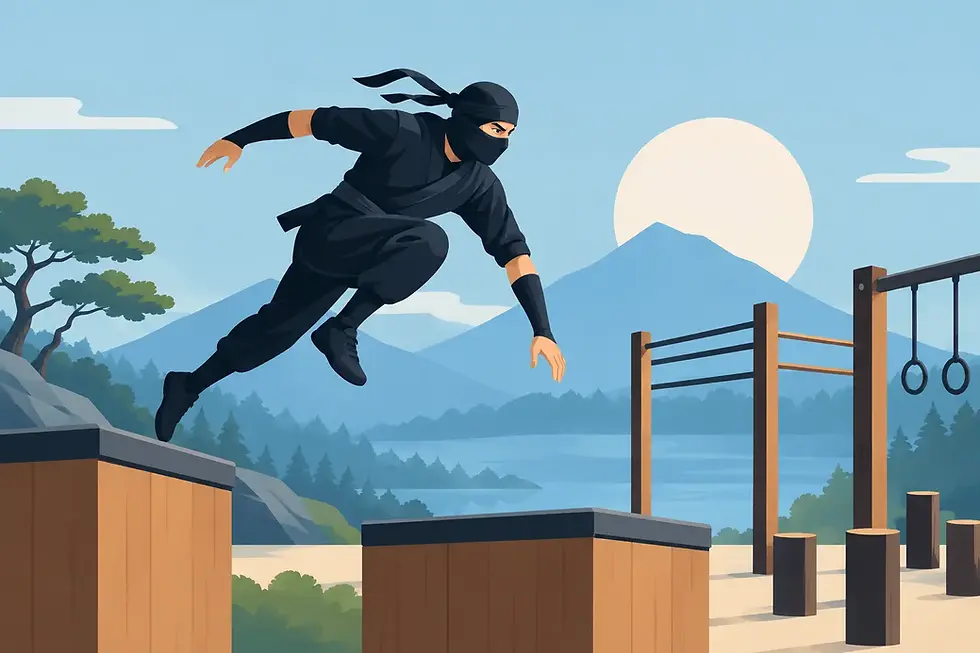
The moment a child reaches the warped wall, swings for the next hold, or lands a jump they thought was too hard, something changes. Kids ninja classes Quartz Hill families choose are not about parking children in another activity. They are about giving kids a place to move, try, miss, reset, and come back stronger.
For many parents, that is the real win. Kids need an outlet that burns energy, but they also need challenges that build patience, body awareness, and confidence. Ninja-style obstacle training makes those lessons feel like an adventure instead of a lecture.
Why Kids Thrive on Ninja Obstacle Training
Traditional sports can be a great fit, but they are not every child’s favorite environment. Some kids do not want to wait on the sideline for their turn at bat. Others are still figuring out whether they enjoy team competition. A ninja class gives them a different kind of challenge: progress that is personal, visible, and exciting.
A child may start by learning how to balance across a narrow obstacle, climb safely, or swing with both hands. Over time, they can build the strength and timing to move through a more demanding course. Every new skill gives them proof that practice works.
That matters beyond the gym. When kids learn that falling short on the first attempt is normal, they become more willing to keep trying at school, in sports, and in everyday life. The obstacle is real, but so is the lesson: take a breath, adjust, and make another run.
What Kids Ninja Classes Build
Ninja training is high-energy fun, but it is not random running around. A quality class uses obstacle-based movement to help kids develop skills that support healthy, active lives.
Strength Without a Boring Workout
Climbing, hanging, crawling, carrying body weight, and landing with control all develop functional strength. Kids are not staring at a machine or counting down minutes on a treadmill. They are focused on reaching the next obstacle, which is often exactly why they are willing to work harder.
The level of difficulty should match the child. Younger beginners may work on grip, balance, and basic movement patterns, while older or more experienced ninjas can take on bigger swings, harder climbs, and more complex combinations.
Agility, Coordination, and Body Control
Obstacle courses require kids to pay attention to where their hands and feet are going. They learn how to shift their weight, move quickly without rushing, and control momentum before it controls them.
That kind of coordination carries over into other activities. Whether a child plays soccer, dances, rides bikes, or simply wants to feel less clumsy on the playground, better body awareness makes movement more confident and more fun.
Focus Under Pressure
A course can look overwhelming at first. There may be a balance obstacle, a hanging challenge, a jump, and a climb all in one sequence. Kids learn to break it down instead of panicking. What is the first move? Where do my hands go? How do I land safely?
That process develops focus. It also teaches children that speed is not always the answer. Sometimes the best run comes from slowing down, listening to coaching, and making smart decisions.
Confidence That Comes From Doing
Confidence is more meaningful when a child earns it. Praise is valuable, but nothing compares to the look on a kid’s face after they finally clear an obstacle that stopped them last week.
Ninja classes give kids frequent chances to experience those moments. They are challenged without being expected to be perfect. The goal is not to beat everyone else in the room. The goal is to leave stronger, braver, and more capable than when they walked in.
What Parents Should Look for in Kids Ninja Classes Near Quartz Hill
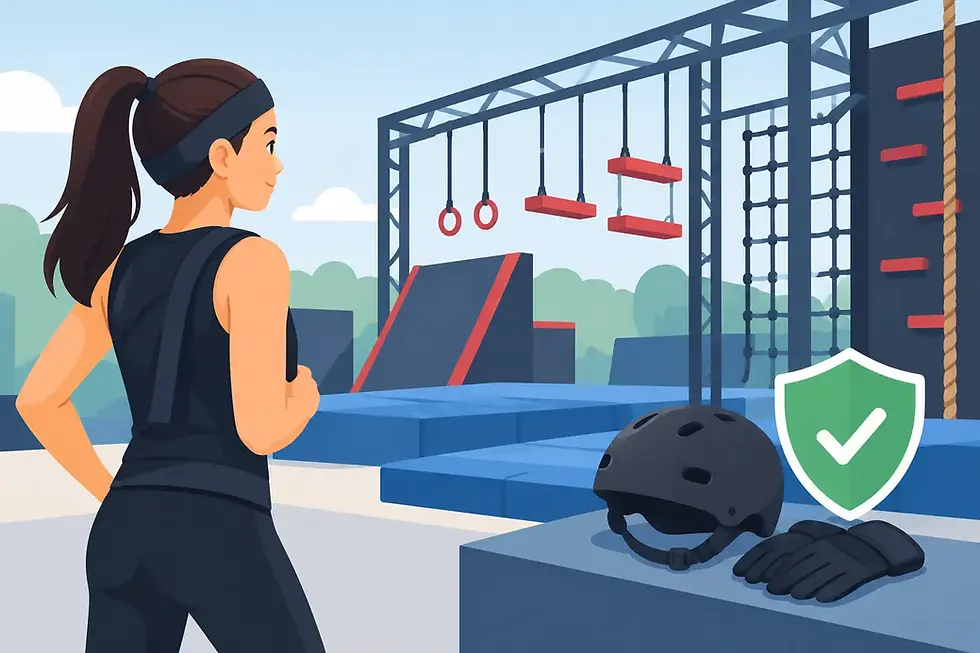
Not every active class provides the same experience. When comparing kids ninja classes near Quartz Hill, look beyond the coolest-looking obstacle. A great program balances excitement with structure, coaching, and age-appropriate progression.
First, pay attention to how instructors coach. Kids should receive clear directions, encouragement, and corrections that help them move safely. A good coach knows when to push a child toward the next challenge and when to scale an obstacle back so they can build the right foundation.
Second, consider the environment. Kids are more likely to participate when the space feels welcoming, energetic, and judgment-free. Beginners should not feel like they have to arrive already athletic. The right gym makes room for the child who is ready to fly through the course and the child who needs a few extra tries before stepping onto the first obstacle.
Finally, ask whether the program has room for growth. The best classes do more than entertain kids for an hour. They offer new skills and fresh challenges as confidence grows, so children stay engaged instead of outgrowing the experience after a few weeks.
Is Ninja Training Right for Your Child?
It depends on what motivates them. Ninja training is an especially strong fit for kids who love climbing, jumping, playing on structures, or testing themselves against a challenge. It can also be a great option for children who have not connected with traditional team sports but still need a positive, active outlet.
Some kids arrive ready to race through every obstacle. Others watch carefully before they try. Both approaches are okay. A supportive class helps high-energy kids channel their effort with control while giving cautious kids time to develop trust in their own abilities.
Parents should also remember that progress is rarely a straight line. One day a child may swing across an obstacle with ease. The next day, they may be tired, distracted, or frustrated by a skill that suddenly feels difficult. That is part of training. Consistency and encouragement matter more than a perfect performance every class.
More Than an After-School Activity
A strong kids program can become a place where healthy habits start to stick. Instead of viewing exercise as a chore, children begin to associate movement with laughter, challenge, friendships, and the excitement of doing something hard.
That is why obstacle training can be especially valuable for active families. It offers a way to put screens aside, move with purpose, and give kids a challenge they can talk about all week. They are not just getting tired. They are learning what their bodies can do.
At Go Ninja, kids train in an obstacle-based environment built to make fitness feel like an adventure. The focus is on movement, skill, effort, and the kind of encouragement that gets kids ready to take one more shot at the obstacle in front of them.
Let Them Take on the Next Obstacle
The best first class is not the one where a child does everything perfectly. It is the one where they leave excited to come back. Give them room to climb, swing, balance, and discover that hard things can be seriously fun. Their next obstacle may be waiting, and they may be more ready for it than they think.

Comments