

Obstacle Technique Guide for First-Time Ninjas
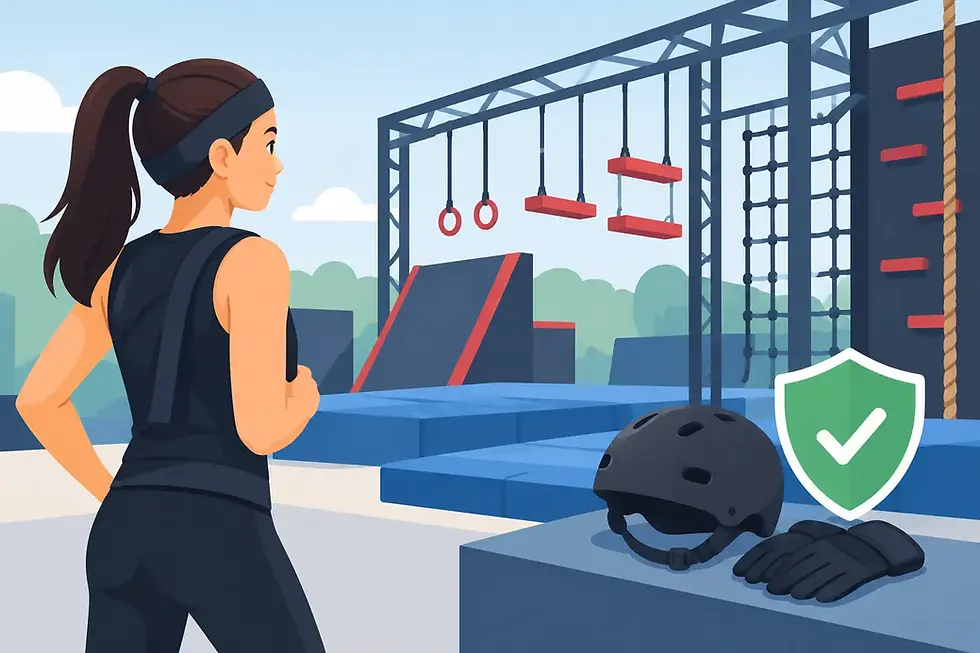
The wall is in front of you. Your hands are chalky, your legs are ready, and the person behind you is cheering. This obstacle technique guide is not about looking perfect on your first try. It is about learning how to move with control, make smart adjustments, and keep coming back stronger when an obstacle says, “Not yet.”
Ninja-style training builds real-world strength, but it also teaches something bigger: confidence under pressure. Whether you are a kid taking on your first balance obstacle, a teen working toward a faster run, or an adult trading treadmill time for a real challenge, technique makes every obstacle safer, more fun, and more rewarding.
Start With Control, Not Speed
Most beginners make the same mistake: they rush. An obstacle course feels exciting, so it is natural to charge toward the next challenge. But moving fast without control usually leads to missed grips, shaky feet, and wasted energy.
Before you try to beat a time, learn the movement. Look at the obstacle from the ground. Where will your hands go? Which foot leads? Where is the safe landing area? A two-second plan can turn a frustrating attempt into a clean run.
Control also means knowing when to reset. If your grip slips or your balance breaks, drop safely when appropriate, shake out your hands, and try again. Ninja training is built on repetition. One strong attempt teaches you more than five rushed ones.
The Obstacle Technique Guide Basics
Every obstacle is different, but most ninja movements come back to a few core skills: grip, balance, momentum, foot placement, and body position. Improve those skills, and a new obstacle becomes less mysterious.
Grip: Hold Smart, Not Hard
A death grip burns out your forearms quickly. Instead of squeezing every hold as hard as possible, keep your fingers active and your shoulders engaged. Think about hanging from your back and shoulders, not only from your hands.
On bars, rings, and hanging obstacles, keep your hands secure while allowing your body to swing naturally. If you lock your elbows and tense your whole body, you lose energy and rhythm. A controlled grip gives you more time to make the next move.
For younger ninjas, grip strength grows through short hangs, monkey bars, and climbing practice. For adults, the same rule applies: build time under tension gradually. There is no prize for overdoing it on day one.
Balance: Keep Your Eyes Moving Forward
Balance obstacles can feel easy until you step onto one. The key is not staring at your feet. Pick a point ahead of you, keep your chest tall, and let your arms help you make small corrections.
Use light, quiet steps. Heavy stomping makes narrow obstacles wobble and throws off your center of gravity. Bend your knees slightly so your legs can absorb movement instead of fighting it.
If an obstacle is low and stable, you may be able to move quickly. If it is narrow, angled, or has a moving surface, slow down and focus on clean placement. Speed is earned after consistency.
Swings: Create a Rhythm Before You Reach
Swinging obstacles are about timing, not random reaching. Start with a small forward-and-back swing, then build the movement by driving your legs and hips at the right moment. When your body swings forward, stay long. As you swing back, prepare for the next drive.
Your hips matter more than many people realize. A strong swing comes from your whole body working together, not just pulling with your arms. Keep your core tight enough to stay connected, but do not turn into a stiff board.
When reaching for the next hold, wait for the moment when your body is traveling toward it. Reaching too early can pull you away from the target. Reaching too late can leave you hanging with no momentum. This takes practice, and that is exactly why repeated attempts matter.
Landings: Own the Finish
A safe landing is part of completing the obstacle. Land with soft knees, feet about shoulder-width apart when space allows, and your chest over your feet. Avoid locking your knees or landing flat-footed from unnecessary height.
If you are stepping or jumping down, look for the landing area before you leave the obstacle. Do not wait until you are in the air to decide where you are going. Young athletes especially benefit from practicing controlled jumps and stick landings before moving onto bigger challenges.
Use Your Legs More Than You Think
Ninja obstacles may look like an upper-body sport, but strong footwork is often the difference-maker. Your legs create power for walls, jumps, climbs, and swings. They also save your arms when you can use a foothold instead of hanging longer than necessary.
On a warped wall or angled climb, drive through your legs first. Keep your eyes on the top edge, take purposeful steps, and use your arms to finish the movement. Pulling too soon can leave you stuck below the top.
On climbing obstacles, look for footholds before you grab higher. A stable foot lets you stand, reach farther, and protect your grip. The smartest route is not always the flashiest route.
Practice the Transition Between Obstacles
Courses are not just a collection of separate challenges. What happens after one obstacle affects the next. If you sprint off a balance obstacle with no control, you may arrive at the climbing wall out of breath. If you hold on too long during a swing, your arms may be cooked before the next hanging obstacle.
Train yourself to notice your energy. After a hard upper-body challenge, use the walk or run to the next obstacle to shake out your hands and take one full breath. After a fast movement, pause for a moment if the next obstacle demands precision.
This does not mean stopping every few seconds. It means learning when to push and when to reset. The best ninjas look fast because their choices are efficient.
Build Confidence Without Skipping Progressions
There is a difference between being brave and being careless. Confidence grows when you take a challenge that stretches you, learn the movement, and repeat it until it feels more familiar. Skipping straight to the hardest version may feel exciting, but it can also build frustration.
Start with lower obstacles, assisted versions, or shorter distances when needed. Then increase the challenge one piece at a time. Try a longer swing, a smaller foothold, a faster approach, or fewer resets. Small wins stack up fast.
Parents can help by praising effort and strategy, not only completion. “You changed your foot placement and got farther” is more powerful than “You almost made it.” Kids who learn to problem-solve on obstacles carry that resilience beyond the gym.
Train With Purpose, Then Have Fun
A good session does not need to feel like homework. Pick one skill to focus on, such as quiet balance steps or a stronger swing, then enjoy the course. You will improve faster when your practice has a goal, but you will keep showing up when the experience feels like play.
At Go Ninja, beginners and experienced athletes can train around the same idea: take the obstacle in front of you, respect the progressions, and celebrate every breakthrough. The course will challenge your grip, your legs, your focus, and sometimes your patience.
The next time an obstacle stops you, do not label it impossible. Watch it, plan it, try it, and adjust. That is how a challenge becomes a skill - and how you become the ninja who is ready for the next one.

Comments